GED Testing Accommodations: How to Request Support
GED testing accommodations can make the official exam more workable for an eligible learner, but approval is a separate process from taking a practice test or joining a GED class. This guide explains what to prepare, when to ask, and which details to verify before scheduling.
For GED classes, the most useful role is preparation: help the learner describe the support needed, organize current documentation, and keep classroom adjustments separate from the official approval decision.
Quick answer: how do GED accommodations work?
GED testing accommodations are approved changes to the testing conditions, not easier questions or a different passing standard. Depending on the documented need and official approval, support may involve timing, breaks, setting, or assistive technology. The current official GED instructions decide what documentation is accepted and which support can be used.
On this page
What Are GED Testing Accommodations?
Accommodations are changes to the testing environment or process that help an eligible person show what they know. They are different from tutoring, a study guide, or extra practice questions. They also do not guarantee a passing score. The purpose is to reduce a documented access barrier while keeping the exam's academic purpose intact.
Examples can include additional time, approved breaks, a separate or quieter setting, or assistive technology. Those examples are not a promise that every learner can receive every option. An approval decision should match the functional limitation described in the documentation and the rules of the current official GED process.
Start with the GED requirements guide for general eligibility, then treat accommodations as a separate planning track. A learner may meet the age or state requirements and still need to complete a separate request before a support can be used.
Common GED Accommodation Categories
The exact list and approval requirements can change. Use the categories below to describe the barrier clearly, not to self-select an accommodation without review.
| Category | What to explain | Planning question |
|---|---|---|
| Timing or breaks | How the condition affects sustained reading, writing, processing, or concentration. | Will the approved timing or break rules change how the appointment is scheduled? |
| Setting | Why a quieter, separate, or otherwise adjusted space may be needed. | Does the selected location or online option actually support the approved setting? |
| Assistive technology | Which tool or access method is needed to read, hear, enter, or navigate content. | Is the technology supplied, tested, or restricted by the official test provider? |
| Communication support | What communication barrier exists and what approved support would address it. | Which instructions must be confirmed in writing before test day? |
Use specific, functional language. “I need help” is a starting point; “extended reading time is needed because processing speed makes it difficult to finish passages within the standard interval” gives a reviewer a clearer question to evaluate. Keep the explanation factual and let a qualified professional or current official form supply the supporting evidence.
Who Should Request GED Accommodations?
A learner who expects to need support on the official exam should start early. A parent, teacher, case manager, counselor, or GED class instructor can help organize information, but the learner should understand what is being requested and what the approval notice says.
Classroom adjustments and official testing accommodations are related but not interchangeable. A class may allow flexible timing, read directions aloud, or provide a quiet study area as part of instruction. That does not automatically authorize the same support on the official GED test. If a learner already has an IEP, 504 plan, evaluation, or professional recommendation, use it as a starting point and check whether the current official process requires additional or more recent documentation.
For instructors, keep a simple record of the learner's request date, the documents supplied, the official response, and the next scheduling question. Do not promise approval, a testing date, or a specific support before the official decision is available.
GED Accommodations Documentation Checklist
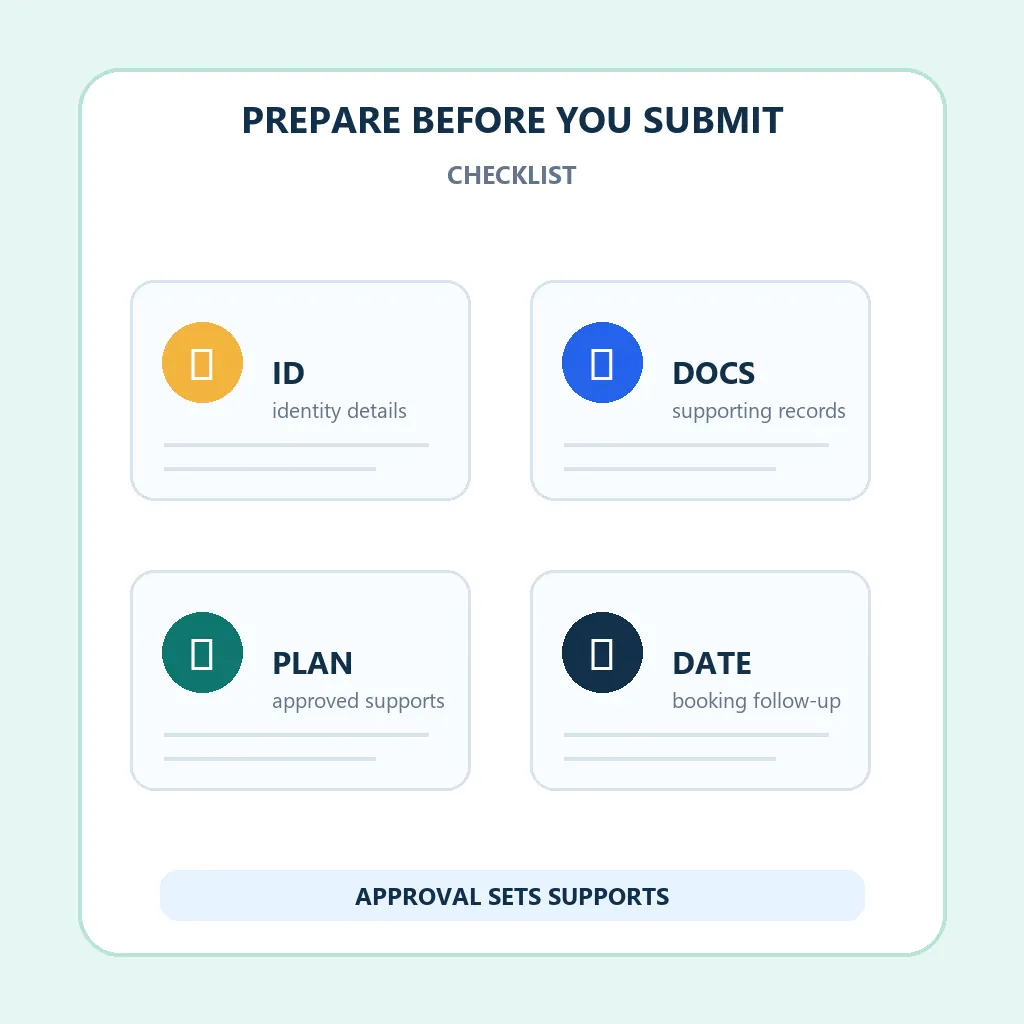
Documentation should help answer two questions: what access barrier exists, and what support is reasonably connected to that barrier? The accepted document type depends on the learner's situation and the current official instructions, so do not rely on an old form or a generic internet checklist without checking the official source.
| Prepare | Why it helps |
|---|---|
| Identity and account details | They help match the request to the correct learner and official account. |
| Current evaluation or plan | It can describe the condition, functional impact, and recommended support in a way a reviewer can understand. |
| Professional contact or signature | Some situations require documentation from a qualified professional; check the current official requirements instead of guessing. |
| Plain-language request summary | It connects the evidence to the testing barrier and avoids asking for a support without explaining why it is needed. |
Before submitting, check names, dates, page numbers, signatures, and file readability. Keep a private copy of what you send and note the date. Do not publish medical details in a class forum or email them to an unrelated provider. Send sensitive documents only through the official channel named in the current instructions.
How to Apply for GED Testing Accommodations
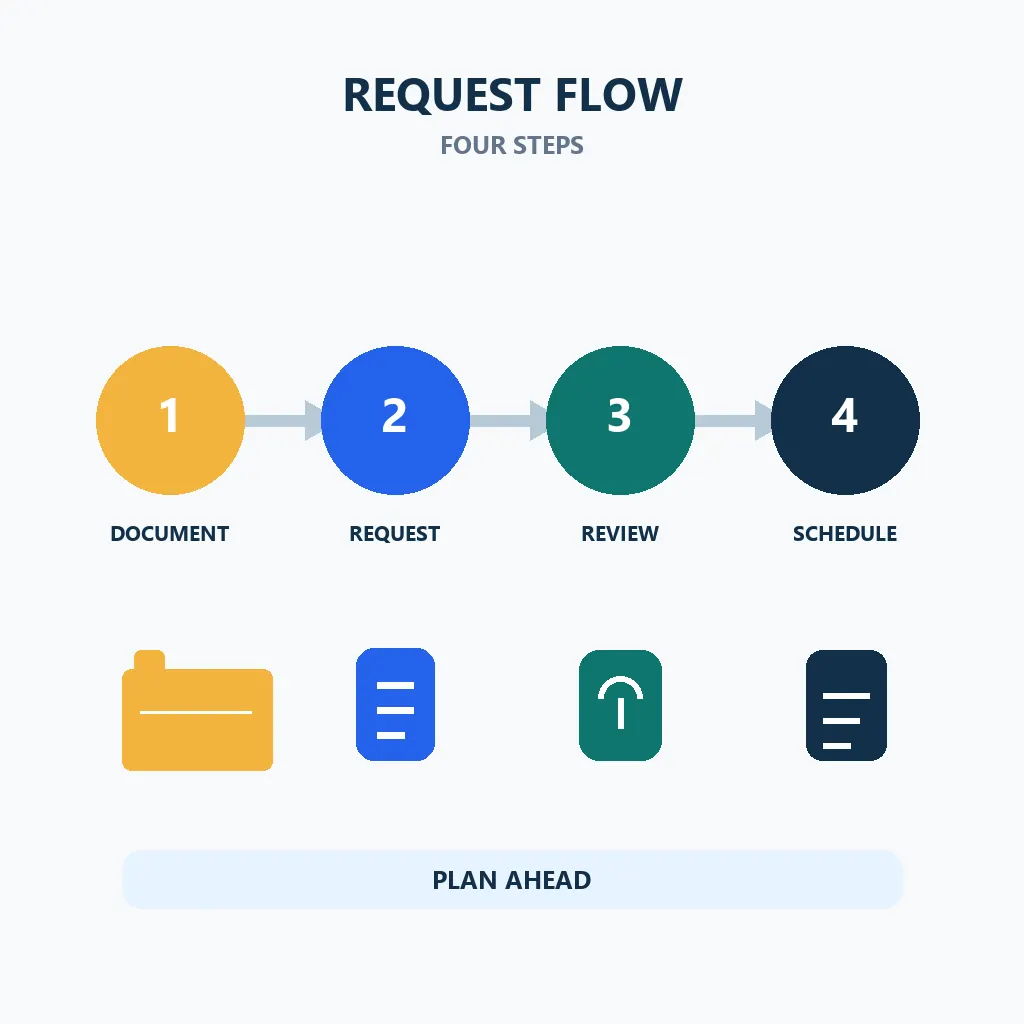
- Identify the barrier. Write down what makes the standard testing process difficult: sustained reading, processing speed, attention, communication, sensory load, physical access, or another documented issue.
- Check the official instructions. Start at the official GED accommodations information and follow the current account or form instructions. Requirements can differ by situation, so avoid copying a checklist from an old forum post.
- Gather readable documentation. Use the records that explain the functional impact and recommended support. If a document is incomplete or outdated, ask the qualified professional or school office what can be updated.
- Submit the request through the named official channel. Save the confirmation, date, and any case or reference number. If the page asks for a particular file type or contact route, follow that instruction exactly.
- Wait for the decision before making promises. Approval may require review or follow-up. A class can continue preparation while the request is being reviewed, but no one should guarantee that an accommodation will be approved.
- Schedule with the approval details. Compare the approval notice with the appointment options in the GED test dates guide and GED test locations guide. If you plan to test online, also review the online GED testing guide and confirm that the selected setup is compatible.
What to Do While an Accommodation Request Is Pending
Keep studying, but make the practice honest. If a learner uses extra time in every practice session, record that clearly instead of comparing the result to an untimed score. You can use the site's free GED practice tests to review content, then run a second session that mirrors the approved or expected testing conditions as closely as possible.
Use the waiting period to test logistics rather than private medical details. Check whether the learner can use the required device, read the screen at a comfortable size, take permitted breaks, and understand how to ask a proctor or test-center staff member for help with a procedural issue. Practice questions should still measure the skill being studied; accessibility planning should reduce avoidable friction around that skill.
Common GED Accommodation Mistakes
- Waiting until the appointment is close: review time and follow-up questions can make a late request stressful.
- Sending a diagnosis without functional detail: a label alone may not explain the barrier or support needed.
- Assuming class support transfers: classroom flexibility is not the same as official approval.
- Booking around an unapproved support: confirm the decision and appointment instructions before relying on it.
- Using a generic old checklist: current official instructions should outrank a forum post, social video, or third-party form.
If the official instructions are unclear, ask the named support channel a focused question and keep the answer with your planning notes. For rules about eligibility, identity, fees, or scheduling, verify the current information with the official GED source for your location.
GED Testing Accommodations FAQ
Bottom Line
Good GED accommodations planning is specific, early, and evidence-based. Describe the access barrier, prepare current documentation, submit through the official channel, keep the confirmation, and check the approval details before scheduling. Use a GED class or practice test for preparation, but do not confuse classroom support with official approval.
Official Source for Current Accommodation Rules
This guide was reviewed on September 9, 2026. Accommodation categories, forms, documentation, review timing, and scheduling instructions can change. Verify current details through the official GED testing accommodations page, its ADA information, and the official GED account before sending sensitive documents or booking an appointment.
Privacy Reminder
Accommodation documents may contain sensitive information. Keep copies private and use only the official submission route identified in the current instructions.